Map the current state.
I separated where the change was requested, where it was recorded, where the route saw it, and where the office had to clean it up. That made the bottleneck visible before changing the process.
UniFirst route and service operations, Winooski, 2014 to 2026. The route-record example began in 2014, then the same operating discipline carried through my District Service Manager and Location Manager years. A branch in this system carries about 1,800 to 2,500 accounts. This operating environment involved about 20 users and 9 routes.
Customer adds, reductions, and product changes could arrive outside the operating record. The route still ran on a printed invoice and a separate database, so changes made after invoice preparation could create shortages, manual re-entry, and extra follow-up across the branch.
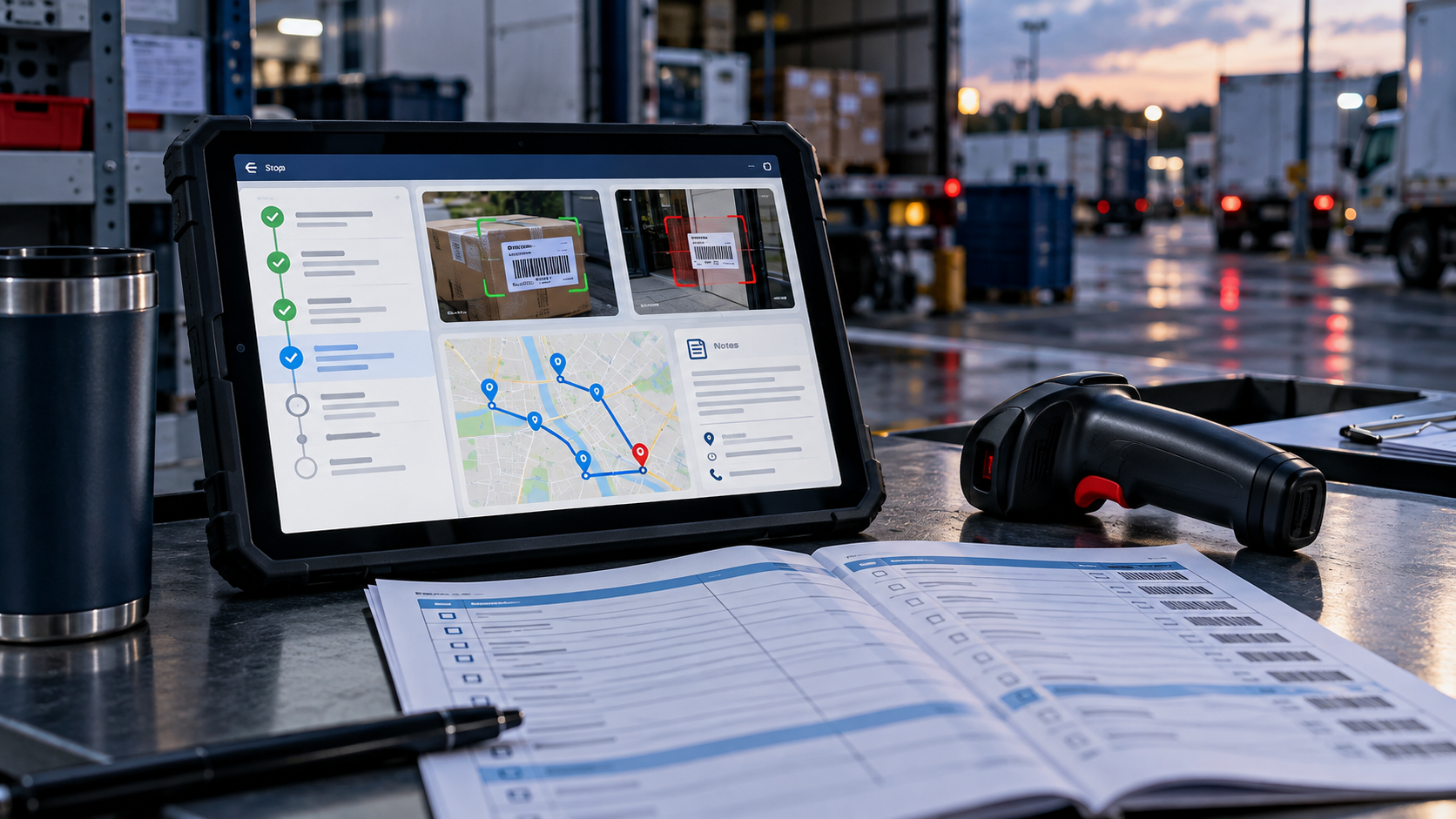
I separated where the change was requested, where it was recorded, where the route saw it, and where the office had to clean it up. That made the bottleneck visible before changing the process.
Adds, reductions, and product changes had to be recorded before the next delivery. Informal side communication did not replace the route record.
The route rep and the office saw the same list the same day: what left, what was delivered, what was still open, and what still needed a clean owner.
I started with one route, watched the exceptions, tightened the rule, and then expanded it across the remaining routes so adoption happened inside the work.
The side conversation stopped being the operating order. A change had to reach the route record before the next service cycle, which gave the route rep, office, and plant the same control point. The case shows process mapping, bottleneck control, phased rollout, training inside adoption, and one record of accountability.